Family Therapy Intensives for Adoptive & Foster Families
Two therapists. Two to five days. A deeper understanding of your child and a new path forward for your family.

At With Connection in Portland, Oregon, we offer personalized 2–5 day Family Therapy Intensives for adoptive and foster families navigating significant behavioral, emotional, attachment, and relationship challenges.
With two therapists working collaboratively, we bring together child-centered therapy, parent therapy, and family therapy to understand what's happening beneath the behavior and help your family find a more connected way forward.
Therapists Who Understand Adoption and Foster Care—Professionally and Personally
We bring more than clinical training to this work.
Between us, we have experience as adoptees, adoptive parents, foster parents, and clinicians supporting children with complex developmental, emotional, and relational needs.
We know that the realities of adoption and foster care don't always fit neatly into traditional parenting advice or weekly therapy appointments.
Our intensives combine that lived understanding with specialized attachment-focused, trauma-informed, and neurodiversity-affirming family therapy.
When You've Tried Everything, and Your Family Is Still Struggling
Maybe you recognize some of these experiences:
Your child can be affectionate, funny, and deeply loving, but can also become angry, aggressive, or overwhelmed in an instant.
Small disappointments turn into enormous reactions. Ordinary limits and transitions can lead to hours of conflict or distress.
Your child seems to push you away when they need you most, or struggles to trust the adults who care for them.
You find yourself walking on eggshells, trying to anticipate and prevent the next explosion.
Your child needs so much of your attention that siblings, your relationship, or your own well-being have taken a back seat.
You've tried rewards, consequences, therapy, parenting programs, and professional advice, but nothing seems to create lasting change.
School is becoming increasingly difficult, and you feel like you're constantly explaining your child's needs to people who don't understand.
You and your partner may disagree about how to respond, leaving you both exhausted and disconnected.
You love your child fiercely, but sometimes you feel overwhelmed, resentful, helpless, or unsure how much longer you can keep going like this.
Perhaps the hardest part is that you've worked so hard to create a loving family, and you don't understand why things still feel so difficult.
You can love your child completely and still need more help than you've been given.
We understand that adoptive and foster families can face challenges that go far beyond what traditional parenting advice was designed to address.
Your child may be navigating experiences of separation, loss, uncertainty, disrupted relationships, or early adversity. They may also be navigating sensory differences, neurodivergence, developmental challenges, or a nervous system that responds to everyday experiences in unexpected ways.
And you are navigating all of this together, as a family. You deserve care that considers the whole picture.
Why Adoption and Foster Care Can Make Family Relationships More Complex
Adoption and foster care bring together children and caregivers whose experiences, relationships, histories, and needs may be very different.
For some children, early separation, inconsistent caregiving, trauma, or repeated transitions can affect how they experience safety, trust, closeness, and control.
For others, the challenges may emerge gradually as they grow older and begin making sense of their adoption story, relationships with first families, identity, grief, or belonging.
Some children are also navigating ADHD, autism, sensory processing differences, prenatal substance exposure, anxiety, learning differences, or other developmental needs.
And sometimes several of these experiences overlap in ways that are difficult to untangle.
Not every behavioral challenge is caused by trauma. Not every adopted or foster child has attachment difficulties. And no child's history tells us everything about who they are or what they need.
That is why we look at the whole child.
We consider your child's development, nervous system, relationships, environment, strengths, and experiences while also paying attention to the ways your family has adapted to meet their needs.
We believe that meaningful change begins with understanding, not blame.
What Is a Family Therapy Intensive?
A Family Therapy Intensive is an extended, personalized therapeutic experience that gives your family dedicated time to address challenges that may be difficult to explore in traditional weekly therapy.
Instead of trying to understand complex family dynamics in a single 50-minute appointment, we create space for deeper assessment, collaboration, therapeutic experiences, and practical support.

At With Connection, our intensives typically take place over 2–5 days, depending on your family's needs.
During your intensive, you work with two therapists who bring complementary areas of expertise in child development, attachment, trauma, play therapy, parent therapy, and family relationships.
We take time to understand what happens when your family is struggling, what each family member needs, and what may help your relationships begin to feel different.
Your intensive may include:
Individual conversations with parents or caregivers
Child-centered, developmentally appropriate therapeutic play
Observation of parent-child interactions
Guided family therapy experiences
Exploration of attachment and relational patterns
Support for emotional and nervous-system regulation
Parent therapy focused on the emotional demands of caregiving
Collaborative problem-solving around challenging behaviors
Opportunities to practice new ways of interacting together
Development of an individualized plan for continued support
Some sessions may include your whole family, while others focus on specific parent-child relationships, caregivers, or individual children.
This isn't a standardized program that every family moves through in the same way.
We thoughtfully structure each intensive around your child's developmental needs, your family's relationships, and the challenges you most want to address.
Why We Work Together as Two Therapists
When a child is struggling, the impact rarely stays with the child.
Parents become exhausted. Partners begin responding differently. Siblings adapt their behavior. Everyone works harder to keep things from falling apart.
Over time, families can become caught in patterns that are difficult to recognize, let alone change.
Our two-therapist model allows us to support children and caregivers while maintaining a shared understanding of the entire family system.
One Therapist Focused on Your Child's Experience
Our child and family therapist uses play, observation, movement, and developmentally appropriate interactions to better understand your child's emotional, sensory, developmental, and relational needs.
Rather than focusing only on the behavior adults want to change, we work to understand what your child may be experiencing and communicating.
We pay attention to what helps your child feel safe, when connection becomes difficult, and how their individual strengths can support therapeutic progress.
One Therapist Focused on Parents and Family Relationships
Our parent and family therapist works with caregivers to understand the patterns that have developed around challenging moments.
We explore how your child's needs intersect with your own emotional responses, expectations, experiences, and capacity to remain connected during difficult interactions.
This is not about identifying what you have done wrong.
It is about helping you make sense of what is happening, supporting you as a person as well as a parent, and developing more sustainable ways of responding to your child.
Two Perspectives, One Collaborative Approach
Throughout the intensive, we bring our observations and expertise together.
We can attend to your child's experience while also supporting parents, observe family relationships from multiple perspectives, and thoughtfully adapt our approach as we learn more.
Our goal is not to fix your child or teach you to control them.
Our goal is to help your family understand one another more deeply and create new experiences of safety, trust, connection, and cooperation.
Who Are Family Therapy Intensives For?
Our Family Therapy Intensives are designed specifically for adoptive and foster families raising children with significant emotional, behavioral, developmental, attachment, or relational needs.

An intensive may be a good fit if your family is experiencing:
Significant Behavioral and Emotional Challenges
Frequent meltdowns, explosive reactions, or aggression
Hitting, kicking, biting, throwing, or other unsafe behavior
Intense anxiety, emotional overwhelm, or difficulty recovering from distress
Difficulty with transitions, boundaries, or unexpected changes
Attachment and Relationship Difficulties
Difficulty trusting caregivers or accepting comfort and support
Patterns of pushing caregivers away or seeking constant reassurance
Frequent conflict between parents and children
Complex Developmental or Trauma-Related Needs
Histories of early adversity, separation, loss, or multiple placements
ADHD, autism, PDA profiles, or other neurodevelopmental differences
Known or suspected prenatal substance exposure
Challenges that have not been adequately understood through previous treatment
Family-Wide Stress and Disconnection
Parents feeling overwhelmed, exhausted, or unsure how to help
Siblings whose needs are affected by ongoing family stress
Caregivers who disagree about how to respond to challenging situations
Your child does not need a particular diagnosis to be considered for an intensive.
We begin by learning about your family's experiences, concerns, strengths, and goals.
Our Approach: Understanding Before Intervention
At With Connection, we believe that behavior has meaning. We understand that the meaning behind behavior, when a child has experienced trauma, loss, and attachment disruptions, may be hard to figure out.
When a child is hitting, refusing, withdrawing, controlling, or becoming overwhelmed, we don't assume we understand why. We get curious.
What is happening in this child's nervous system? What does this situation demand of them? What might they be communicating through their behavior? What is happening in the relationship? What support might make a different response possible?
These questions matter because two children can display the same behavior for entirely different reasons.
A child who refuses a request may be overwhelmed by sensory demands, struggling with executive functioning, worried about losing control, feeling disconnected from their caregiver, or responding to an earlier experience that still shapes their expectations.
And sometimes a child simply doesn't want to do something.
Our work is to understand these differences rather than treating all behavior as the same problem.
Attachment-Focused and Relationship-Centered
We help families explore the ways children and caregivers experience safety, trust, comfort, and connection.
Our work recognizes the importance of relationships while also respecting each child's autonomy, history, identity, and individual needs.
We do not use coercive approaches designed to force attachment or compliance.
Trauma-Informed and Adoption-Competent
We recognize that separation, grief, loss, identity, first-family relationships, and experiences within foster care or adoption may influence a child's emotional world.
We also recognize that adoption and foster care are not themselves diagnoses, and that children and families have unique experiences that deserve to be understood without assumptions.
Neurodiversity-Affirming
We understand that neurodivergent children may experience communication, sensory input, emotional regulation, social expectations, and everyday demands differently.
Rather than trying to make children appear more neurotypical, we work to understand their needs, reduce unnecessary stress, support autonomy, and develop environments and relationships in which they can thrive.
Grounded in Child Development
Children cannot consistently demonstrate skills that are not yet available to them.
We consider how developmental abilities, sensory processing, executive functioning, emotional regulation, and environmental demands affect behavior.
This helps families develop expectations and supports that are both compassionate and realistic.
What We Work Toward During an Intensive
The purpose of a Family Therapy Intensive is not to eliminate every difficult behavior in a few days.
Children and families are complex, and meaningful therapeutic change takes time.
But dedicated time together can create opportunities to understand longstanding patterns, experience interactions differently, and develop a clearer path forward.
Depending on your family's needs, our work may focus on:
Understanding the emotional, developmental, sensory, and relational needs beneath challenging behavior
Recognizing patterns that contribute to conflict or disconnection
Helping children and caregivers feel safer and more understood in their relationships
Supporting parents in responding to intense emotions and behavior with greater confidence
Building opportunities for trust, playfulness, cooperation, and connection
Developing realistic boundaries that support safety without relying on shame or punishment
Practicing co-regulation and repairing relationships after conflict
Supporting caregivers who are emotionally exhausted or feeling disconnected
Addressing the impact of ongoing family stress on siblings and other relationships
Identifying changes that can make everyday routines more manageable
Creating an individualized plan for continued therapeutic support
We want your family to leave with more than new information.
We want you to have a deeper understanding of your child, a clearer picture of your family's patterns, meaningful therapeutic experiences to build upon, and practical next steps that fit your actual lives.
What to Expect From Your Family Therapy Intensive
Every family is different, so we build your intensive around your specific goals and needs.
Step 1: A Free Initial Consultation
We begin by learning about your family, the challenges you are experiencing, and what you hope to gain from an intensive.
This is also an opportunity to discuss whether our approach and level of care are a good fit.
Step 2: Comprehensive Intake and Planning
Before the intensive begins, we take time to understand your child's developmental and family history, current concerns, existing supports, and relationships.
We collaborate with you to identify priorities, determine who should participate, and design a schedule that makes sense for your family.
With your permission, we may also coordinate with existing providers when appropriate.
Step 3: Your Personalized 2–5 Day Intensive
Your intensive includes a carefully planned combination of child-centered therapy, caregiver sessions, parent-child work, family experiences, and collaborative reflection.
We balance meaningful therapeutic work with your child's individual needs for rest, movement, regulation, and predictability.
Our approach is flexible, responsive, and grounded in what we learn together.
Step 4: Integrating What You've Learned
As the intensive comes to a close, we work with you to bring together our observations, identify useful approaches, and develop a plan for continuing the work.
We want what happens in therapy to be useful when you return to everyday family life.
Step 5: Planning for Continued Support
An intensive can be an important part of a longer therapeutic process.
Depending on your family's needs, we can discuss recommendations for ongoing therapy, existing providers, school supports, or other resources that may help sustain progress.
Meet Your Family Therapy Team
Katie Statman-Weil, EdD, LCSW
Parent & Family Therapist | Founder of With Connection
Katie is a Licensed Clinical Social Worker with a Doctorate in Education whose work focuses on attachment, trauma, child development, neurodivergence, and the complex relationships between children and their caregivers.
She specializes in helping parents understand what is happening beneath challenging behaviors and in supporting families who feel stuck in patterns of conflict, overwhelm, and disconnection.
Katie is also the author of Trauma Responsive Strategies for Early Childhood and provides professional development and consultation to educators and organizations nationwide.
As a biological parent and an adoptive parent through foster care, Katie brings lived experience to her clinical work. She understands that loving a child and knowing how to meet their needs are not always the same thing, and that parents deserve compassionate, meaningful support in their own right.
During Family Therapy Intensives, Katie works with caregivers and family relationships, helping parents understand patterns, navigate difficult emotions, and build more connected and sustainable ways of relating to their children.
Helene Hanson, CSWA
Child & Family Therapist

Helene is an attachment-focused child and family therapist with a background in inclusive early childhood education, play-based therapy, child development, and trauma-informed care.
Her work focuses on helping children communicate through play and relationships while supporting families in understanding the emotional, sensory, and developmental needs beneath behavior.
Helene brings a particularly meaningful perspective to adoption-competent therapy.
She is an adoptee, an adoptive parent, and a foster parent. Her lived experience informs her commitment to honoring children's identities, experiences, relationships, and unique family stories.
During Family Therapy Intensives, Helene uses play, observation, movement, and relational therapeutic experiences to better understand children's needs and support stronger connections between children and caregivers.
Clinical Expertise. Lived Experience. A Shared Philosophy.
Before creating With Connection, Katie and Helene co-founded and led Wild Lilac Child Development Community, a nonprofit organization focused on early childhood education and family support in Portland, Oregon.
Today, their work continues to center the same belief:
When children and caregivers feel genuinely seen, understood, and supported, relationships have room to change.
Together, they bring complementary clinical expertise and deeply personal experience with the complexities of adoption, foster care, parenting, and child development.
Family Therapy Intensives in Portland, Oregon
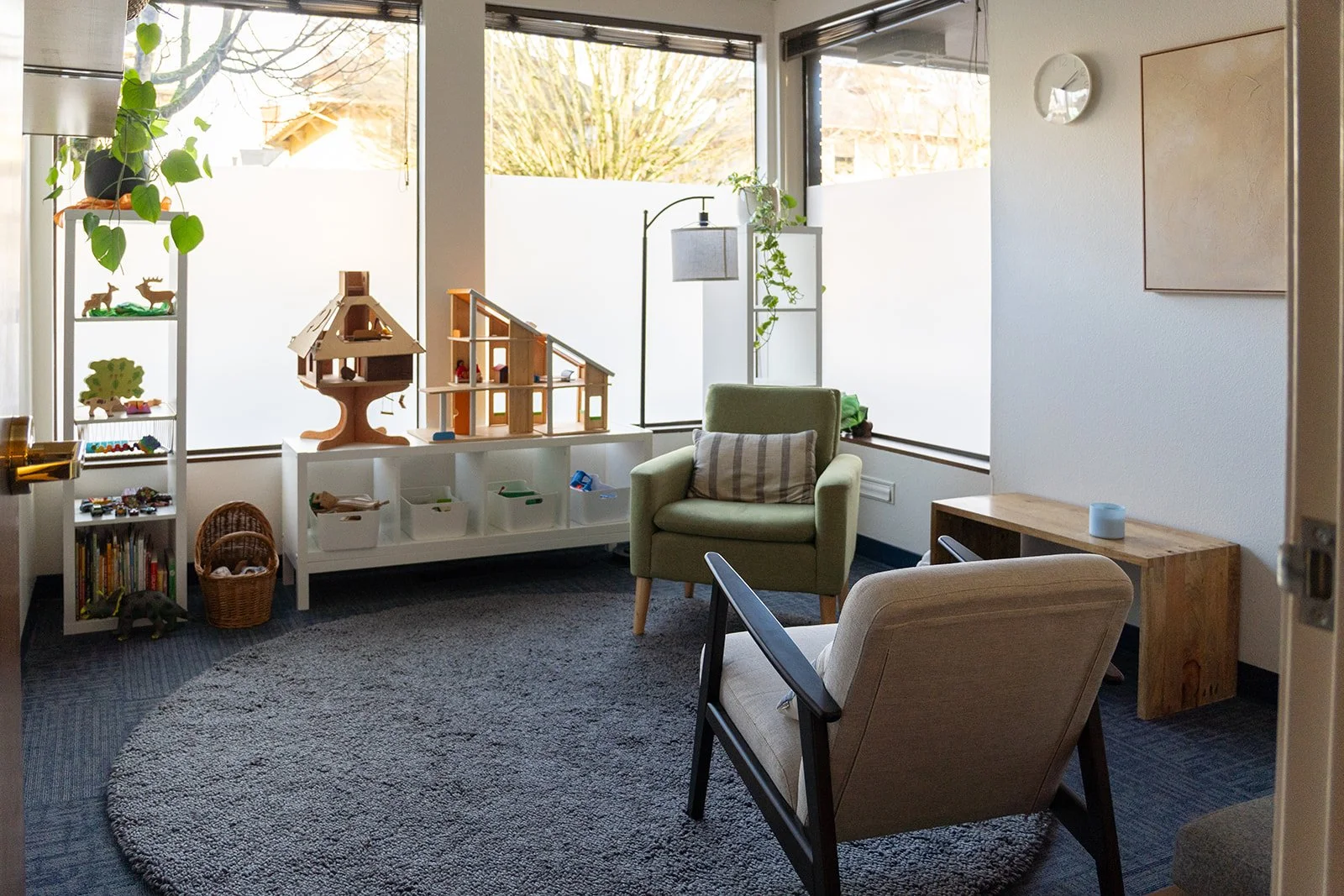
With Connection offers in-person Family Therapy Intensives at our child- and family-centered therapy office in Northeast Portland.
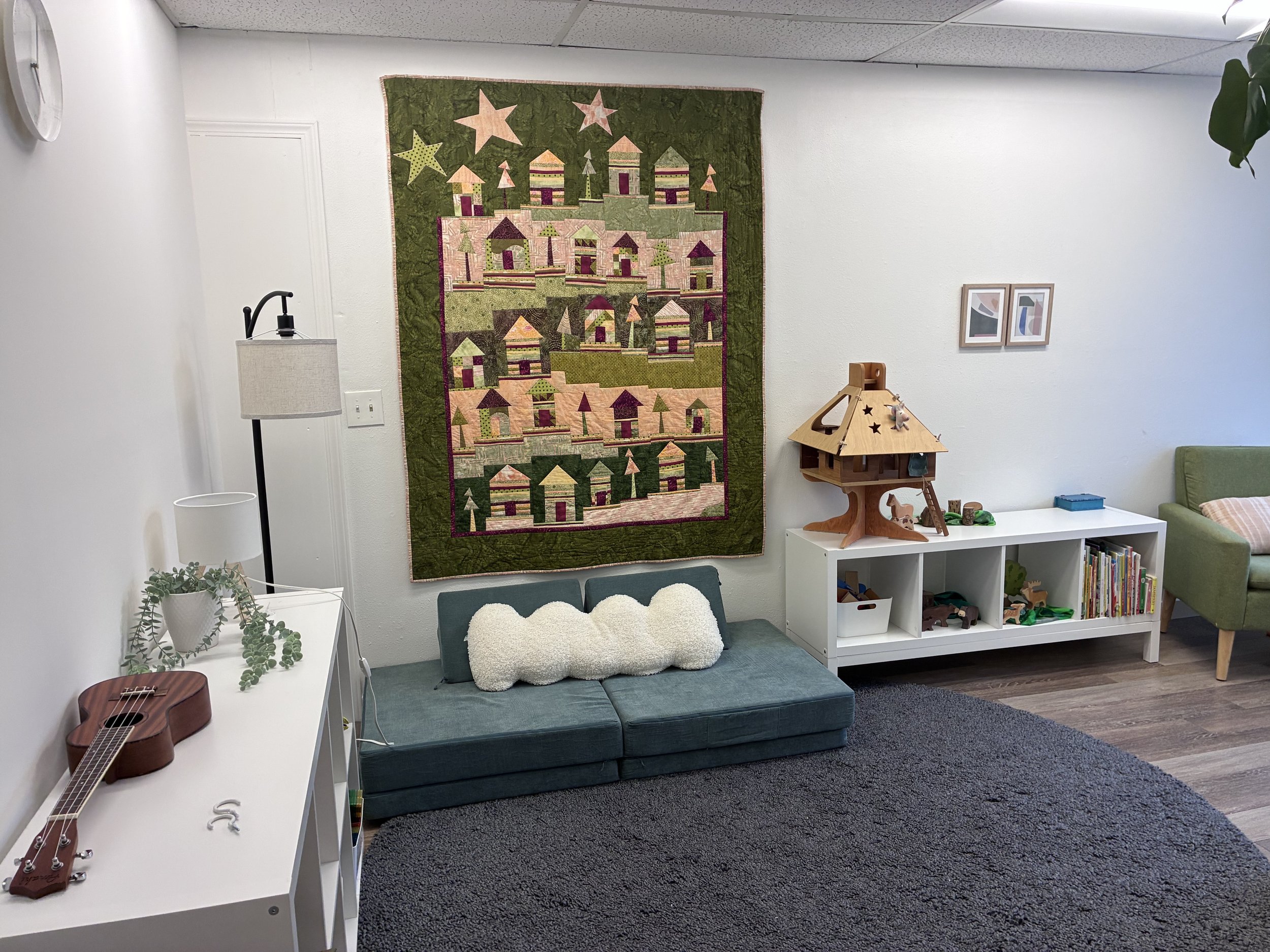
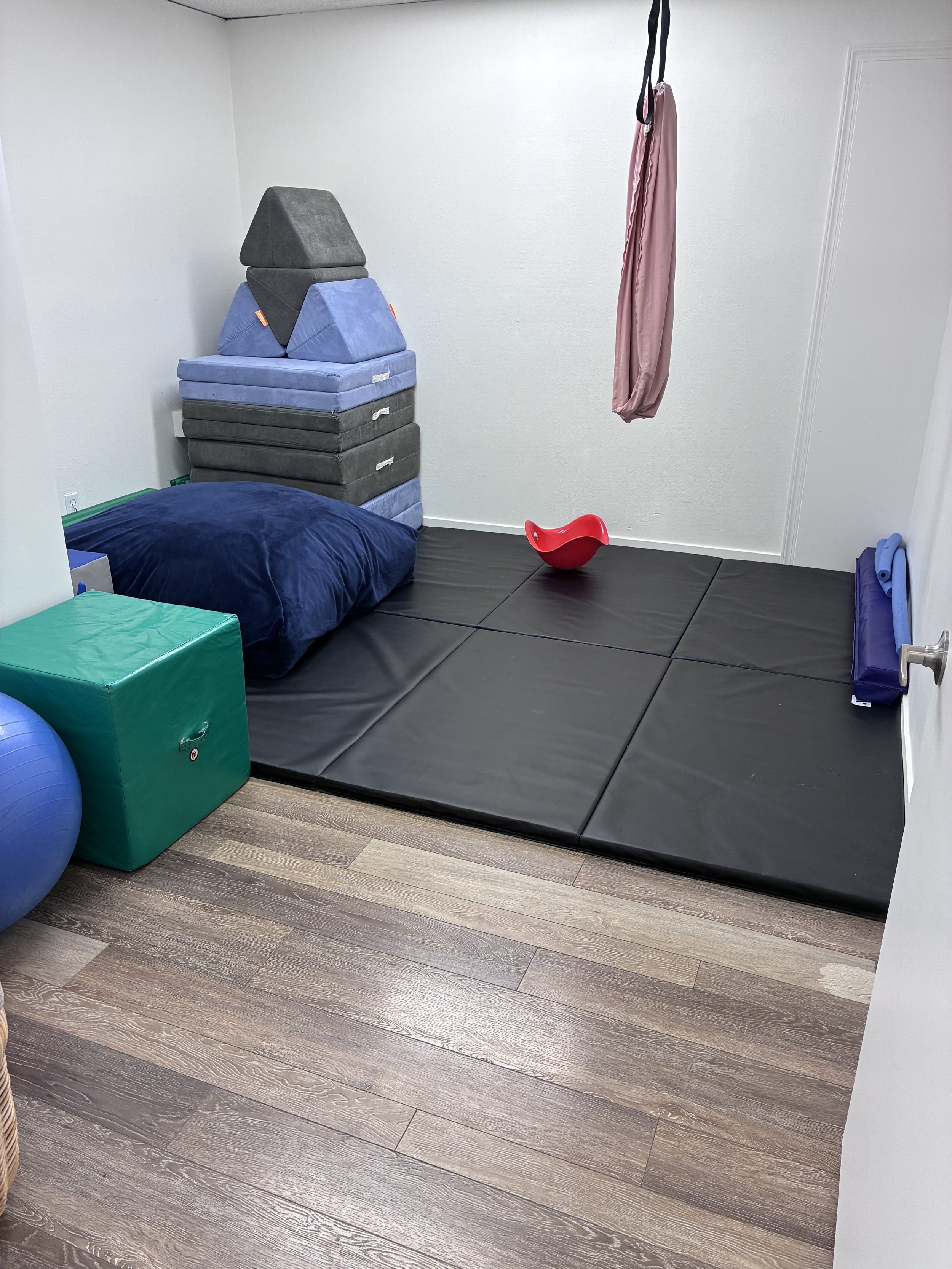
Our office includes dedicated spaces for play, movement, and therapeutic connection, allowing us to adapt sessions to children's individual sensory and developmental needs.
We welcome adoptive and foster families from Portland, Beaverton, Lake Oswego, Hillsboro, Tigard, Gresham, Milwaukie, and communities throughout Oregon.
Families from outside Oregon may also inquire about traveling to Portland for an intensive. All therapy services must take place while participating clients are physically located in Oregon, and we will review clinical suitability and logistical requirements before scheduling.
With Connection
4187 SE Division Street
Portland, Oregon 97202
Frequently Asked Questions About Family Therapy Intensives
-
A Family Therapy Intensive is a personalized, extended therapeutic experience designed to address complex family challenges over a concentrated period. At With Connection, intensives typically last 2–5 days and involve two therapists working collaboratively with adoptive or foster families. Sessions may include caregiver therapy, child-centered play, parent-child interactions, family therapy, and individualized planning.
-
Weekly family therapy generally provides a shorter session at regular intervals. An intensive offers dedicated time for observation, reflection, therapeutic experiences, and collaboration within a shorter period. This can be especially useful when family relationships and behavioral challenges are complex or involve multiple interacting needs.
An intensive is not necessarily a replacement for ongoing treatment, but it can provide focused therapeutic work and a foundation for continued support.
-
Yes. Our Family Therapy Intensives are designed specifically for families parenting children through adoption or foster care, particularly when significant emotional, behavioral, attachment, or relational difficulties are affecting family life.
This specialization allows us to bring focused attention to the experiences and needs that can accompany adoption and foster care.
-
Family Therapy Intensives may be helpful when children and caregivers experience challenges with trust, emotional safety, closeness, communication, or connection.
We use attachment-focused, trauma-informed approaches that support relationships without forcing closeness or compliance. The therapeutic goals and methods depend on the child's experiences, development, needs, and willingness to participate.
-
We work with families navigating significant emotional and behavioral challenges, including aggression, explosive reactions, difficulty with limits, and frequent conflict.
We focus on understanding the factors contributing to these experiences and helping families develop safer, more effective responses.
Because an outpatient intensive cannot provide emergency stabilization, we assess safety and clinical fit before scheduling.
-
We work with families whose children have a range of diagnoses and developmental profiles, as well as children who have never received a formal diagnosis.
Our approach considers the whole child rather than relying solely on diagnostic labels. We recognize that trauma, neurodivergence, developmental differences, sensory needs, and family relationships can interact in complex ways.
We will discuss your child's individual needs and whether our intensive model is appropriate during the consultation process.
-
No. The structure of each intensive is individualized.
Some sessions may involve parents or caregivers alone. Others may include one child and one caregiver, multiple family members, or child-centered therapeutic experiences.
We make participation decisions based on therapeutic goals, developmental needs, readiness, and emotional and physical safety.
-
Your child can already be receiving therapy or other services.
With appropriate written authorization, we may collaborate with existing therapists, physicians, occupational therapists, school teams, or other providers.
An intensive may complement ongoing care rather than replace it.
-
Yes, when their participation supports the family's therapeutic goals and is clinically appropriate.
We recognize that significant emotional and behavioral challenges affect the entire family, including siblings who may be navigating their own feelings, needs, and experiences.
We will discuss who should participate during the planning process.
-
Our intensives are typically scheduled over 2–5 days.
The exact structure depends on your family's needs, your child's developmental and regulation capacities, the number of participants, and the therapeutic goals we identify together.
We will recommend an individualized schedule during the intake and planning process.
-
Yes. Families may travel to Portland for an in-person intensive.
Because our clinical services are provided under Oregon licensure, participating clients must be physically located in Oregon during therapy sessions. We will discuss eligibility, planning, and any relevant requirements before scheduling.
-
With Connection is an out-of-network therapy provider.
We do not bill insurance directly, but we can provide a superbill for you to submit to your insurance company for possible reimbursement.
Coverage for extended or intensive family therapy varies by insurance plan. We encourage you to verify your benefits and potential reimbursement before scheduling.
-
The cost depends on the length and structure of your intensive.
We will provide a clear estimate of fees based on your family's individualized plan before you commit to treatment.
You can also review our current therapy rates on our Fees page.
-
A few days cannot resolve every challenge a family is experiencing, and we do not promise immediate or permanent behavioral change.
However, focused therapeutic time can allow us to better understand family dynamics, address recurring patterns, introduce new relational experiences, and develop a more individualized plan.
Our goal is to help your family begin meaningful work that can continue long after the intensive ends.