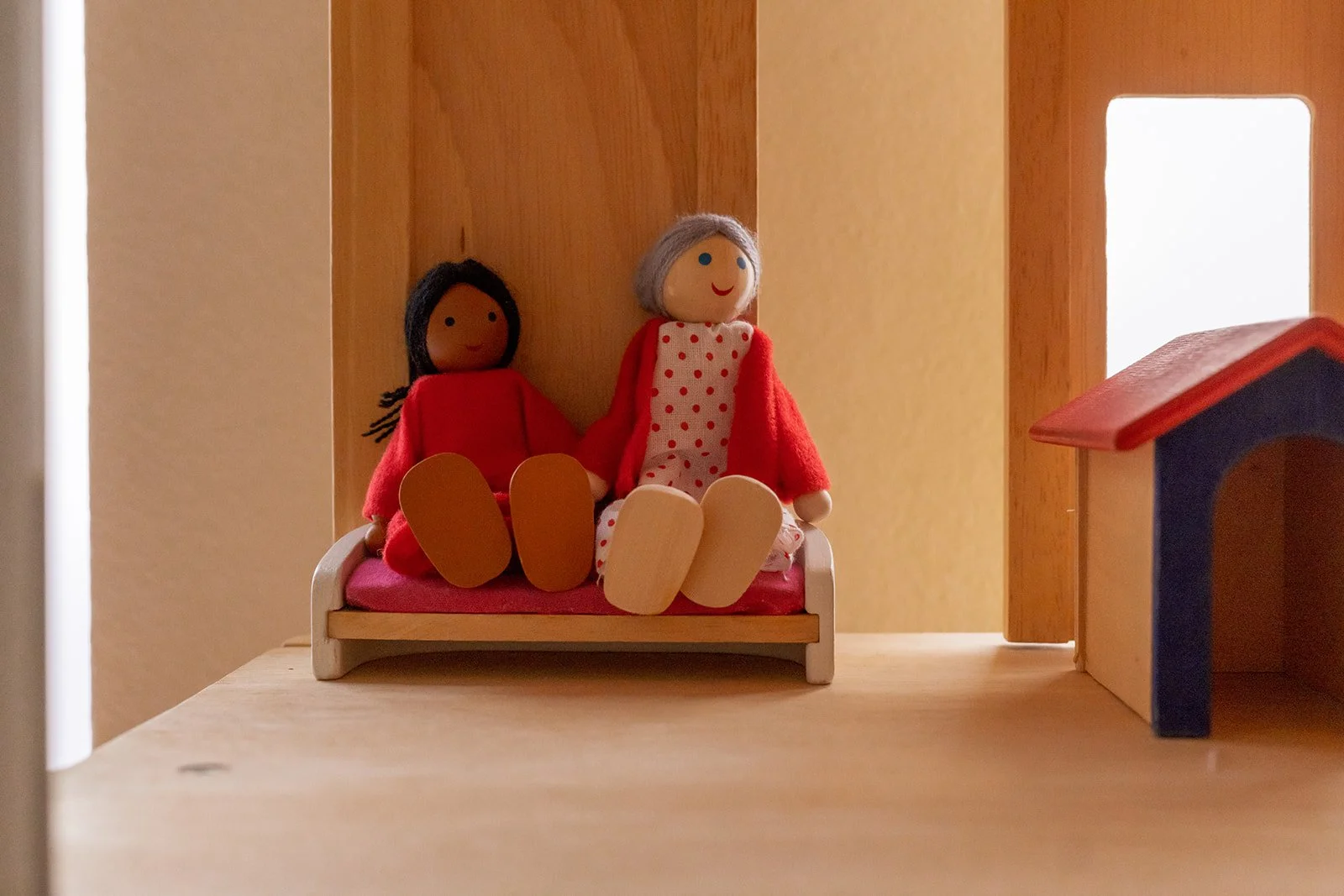
When we parent children who come to us through foster care or adoption, we are parenting children with histories, families, lives, and ancestors who may not be connected to us.
They may laugh like their mother or give a sly smile like their older sister. They may be loud when we are quiet. They may prefer to process their feelings internally while we want to talk and talk. They may be different from us.
Of course, differences in temperament and personality can arise with biological children, too. But for adopted children and children in foster care, those differences are often connected to people, relationships, and family stories that their caregivers may not know.
Growing Up in a Transracial Adoptive Family
As a child growing up in a transracial adoptive family, I often felt like the odd one out. The interesting thing is that each of my siblings probably felt like the most different and misunderstood one, too.
Our parents loved us “as their own.” But they didn’t really know our families, our histories, or our stories. Without those connections, helping us fully know and love ourselves was difficult—perhaps impossible.
Love matters deeply, but love alone cannot give adopted children everything they need to understand who they are.
Honoring an Adopted Child’s Identity and Story
To love our children fully, we must release our expectations about who they will become and how they will move through the world.
We must do everything we can to connect them with their families, cultures, histories, and stories. We must remain curious about the qualities we do not recognize and make room for identities that may differ from our own.
Most importantly, we must understand that our children may not become like us.
They will become themselves, whoever they are meant to be.
And that will be just right.